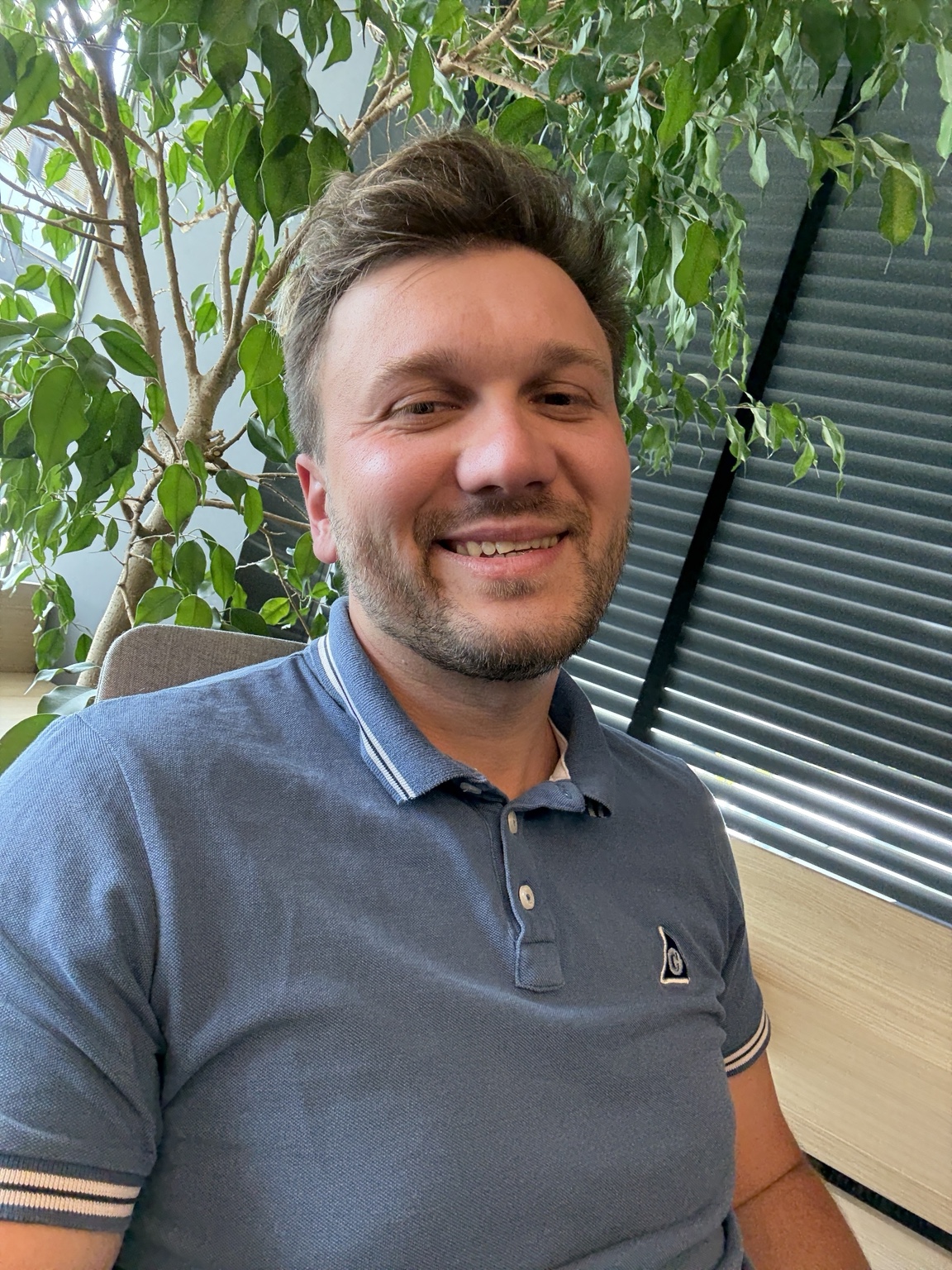
Working in an office is still considered one of the most productive environments for completing tasks. There, you can fully focus on work, communicate quickly with colleagues, and follow a dress code that also influences self-confidence. However, since January 2020, after the outbreak of the coronavirus, everything has changed – and it will never be quite the same as before.
There are many highly skilled specialists who do not live near an office – they may reside in Bali, another part of India, Spain, Dubai, or – like me – in Germany. The internet and tools like Zoom or Google Meet enable video calls and constant connectivity, while Scrum technologies help manage company processes.
Still, no project management technology delivers exactly the same results as a team working together in an inspiring office. In my many years in strategic marketing – with a holistic approach and clear KPI orientation – I have experienced the transition from a traditional office employee to a hybrid work model.
Marketing has at least two sides – a logical side and a technical side. The technical side is much easier to delegate, as advertising platforms and software function similarly everywhere. The logical side, however, is more complex.
5. Honesty
Honesty is clearly one of the top five principles of highly effective management. It is difficult to work with someone who constantly lies. An employee who deceives themselves, clients, or colleagues cannot succeed in a thriving company.
Example:
You hire a specialist to extend a functionality in a custom-developed CRM. The task, payment, and a one-week deadline are agreed upon. Afterwards, three scenarios are possible:
-
Ideal: You receive the completed work, a guide on how to use it, and pay the agreed fee.
-
Bad: The specialist disappears for a week, is unreachable, and then provides excuses. Often, the real reason is a lack of hard skills. I don’t work with such people – time is the most valuable resource.
-
Acceptable: The specialist informs you in time that more time or resources are needed, provides a clear explanation, and stays in dialogue. This is professional practice, and I work long-term with such people.
Conclusion: Work with people who possess strong hard and soft skills. I always keep my clients informed – in marketing, testing and strategic adjustments are a normal process.
Note: I make exceptions for specialists from Ukraine if I see that work is progressing, as objective reasons like power or internet outages may exist.
4. Don’t Change, Improve
This approach saves time and money. Radical changes can sometimes bring breakthroughs, but more often harm the project.
Example: Website redesign.
Entrepreneurs often opt for a complete redesign due to trends or designer recommendations. But how often do Amazon or Instagram fundamentally change their design? Customers do not like abrupt changes – especially impractical ones.
I use two approaches:
-
Comprehensive: Create a new website with A/B testing and analyze results.
-
Step-by-step: Gradually optimize specific areas (cart, product pages, categories) based on proven international best practices.
Conclusion: Don’t destroy what works – optimize it.
3. Delegation
Delegation is one of the most important growth factors in business. Doing everything yourself is inefficient. You need to hire professionals and build teams that work autonomously. Fully stepping away from operations is almost impossible – but strategic decisions should remain with management.
It is crucial to hire people who are more competent in their field than you are. For example, if I am looking for a video specialist, I need someone who delivers a finished result independently – without constant guidance.
2. Professionalism
It is impossible to build a successful company without understanding your craft. If you cannot program, it will be difficult to run an IT company – you cannot objectively evaluate candidate qualifications.
Continuous learning, training, conferences, and exchanging ideas with smart people in the industry are essential.
1. Personality
First and foremost comes your personality. Top professionals analyze who their leader is – and consciously decide whom they want to work with. Only by personal example can you attract strong people in business and life.
Today, it is no longer enough to just make money – you must develop your personal brand. If you don’t, your competitors will do it for you. And eventually, you will lose your competitiveness.